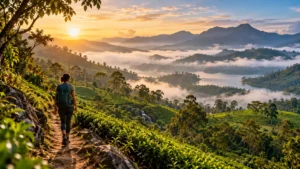
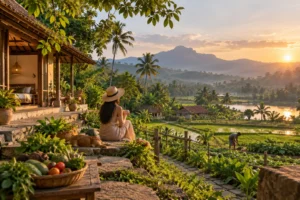
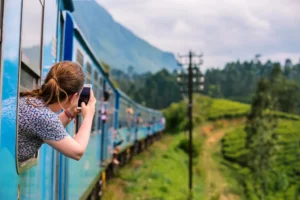
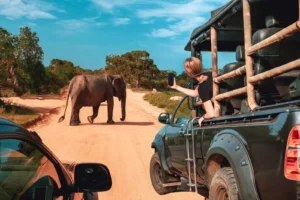
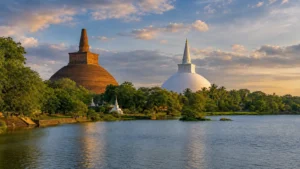
Regenerative travel in Sri Lanka means planning a trip that puts more back into the island than it takes out. In practice, that looks like staying in locally owned eco lodges, spending your money in villages, choosing ethical wildlife safaris, cutting plastic, and giving a little time or money to reforestation or community projects. It goes one step beyond “do no harm” sustainable travel, and Sri Lanka, with its small size, rich biodiversity and strong village culture, is one of the easiest places in Asia to try it.
Take only photos, leave only footprints. It is a good rule, but after a few tough years of economic crisis, floods and Cyclone Ditwah, Sri Lanka needs visitors who leave something good behind. This guide explains what regenerative travel means and the practical choices that make your trip count.
What Is Regenerative Travel, and How Is It Different From Eco Travel?
Regenerative travel is tourism that actively improves a place, its nature, its people and its culture, rather than just trying to limit damage. Sustainable or eco travel asks, “How do I reduce my impact?” Regenerative travel asks, “How do I leave this place healthier than it was before I arrived?”
Sri Lankan hospitality advisers describe it as a living systems approach that restores resources, and point out that many rural businesses here were already working this way before the term became fashionable (LMD interview on regenerative tourism).
| Mass tourism | Sustainable / eco travel | Regenerative travel | |
|---|---|---|---|
| Main goal | Volume and low prices | Reduce harm | Leave a net positive impact |
| Where money goes | Large chains, often overseas | Mix of local and outside businesses | Mostly local families, guides and producers |
| Wildlife | Crowded jeep safaris | Rules followed | Supports conservation and fair park practices |
| Your role | Spectator | Careful guest | Active contributor |
“You don’t just visit Sri Lanka. You feel it, live it and carry it with you.” That is how we put it at Bee Nature, and regenerative travel is the honest way to make that true.
Why Does Sri Lanka Need Regenerative Tourism Right Now?
Sri Lanka needs regenerative tourism because its nature and rural economy are under real pressure, and tourism money can either add to that pressure or help relieve it.
- Biodiversity hotspot: The island is home to rainforests like Sinharaja, leopards, elephants and hundreds of endemic species, all squeezed into a small land area.
- Human-elephant conflict: Farmers and elephants compete for land, and badly managed tourism can make it worse.
- Crowded parks: Popular blocks of Yala can see dozens of jeeps around a single leopard.
Travel operators have noticed the shift too. Since the pandemic, several firms working in Sri Lanka say their focus has moved from simply being sustainable to making a positive difference to communities (Khiri Travel). The island’s nature tourism has strong roots; regenerative travel simply asks guests to give back as well.
How Can You Leave Sri Lanka Better Than You Found It?
You leave Sri Lanka better by making five choices: where you sleep, who you hire, how you see wildlife, what you eat and buy, and what you give back. None need a big budget.
1. Choose locally owned eco lodges in Sri Lanka
Your accommodation is usually your biggest spend, so it has the biggest effect. Look for eco lodges in Sri Lanka that:
- are owned or run by local families
- hire staff from nearby villages
- use solar power, rainwater harvesting or composting
- cook with produce from their own garden or local farmers
A small lodge near Sinharaja often does more good than a big resort, because the money stays in the valley.
2. Hire local guides and drivers
A local naturalist in Kitulgala or a village guide in Ritigala knows the birds, the plants and the stories. Hiring them keeps income in the area and makes your trip far richer.
3. See wildlife the ethical way
Ethical wildlife watching is one of the most direct ways to help. That means:
- avoiding elephant rides and any “shows” with captive animals
- choosing quieter parks such as Wilpattu or Kumana over the busiest Yala blocks
- asking your driver to keep a respectful distance and switch off the engine
We have written a full guide on ethical wildlife encounters in Sri Lanka’s national parks if you want to go deeper.
4. Eat and shop local
Eat rice and curry at small family restaurants. Buy spices from a home garden in Matale, handloom from a village weaver, and tea from smallholder estates. A cooking class with a village family puts money straight into a household.
5. Give back a little time or money
Simple ways to contribute:
- join a tree planting or mangrove restoration day on the coast
- support a turtle hatchery that releases hatchlings rather than keeping them for photos
- donate to a village school, library or reforestation fund your guide recommends
Even half a day can make a lasting difference.
What Does a Regenerative Trip Look Like Day to Day?
A regenerative trip looks a lot like a normal holiday, just with slower days and more local people in the picture. Here is a sample six-day route:
| Day | Where | Regenerative touch |
|---|---|---|
| 1 | Negombo | Mangrove canoe trip with local fishermen |
| 2 | Sigiriya | Village cycling tour and cooking lunch with a family |
| 3 | Kandy | Spice garden and handloom workshop visit |
| 4 | Knuckles | Night at a family-run eco lodge, tree planting |
| 5 | Ella | Hike to Ella Rock, smallholder tea estate visit |
| 6 | Udawalawe | Elephant Transit Home and a quiet afternoon safari |
If you want a ready-made route, our 7 and 10-day eco itineraries follow the same thinking, with slower travel and fewer long drives.
Is regenerative travel more expensive?
No, regenerative travel is usually not more expensive, and it can even cost less. Family-run lodges and local guides are often cheaper than big resorts and chain tours. The difference is where your money goes.
Small Habits That Make a Big Difference
Everyday habits matter too:
- Carry a refillable bottle. Most hotels and lodges will refill it with filtered water.
- Say no to plastic bags and straws. Keep a cloth bag in your daypack.
- Ask before taking photos of people, especially in villages and at religious sites.
- Travel in the shoulder season. Visiting outside the December to March rush eases pressure on popular spots.
- Use trains and shared transport where you can.
How to Plan Responsible Tours in Sri Lanka With Bee Nature
Planning this yourself takes time: which lodges are truly local, which guides are good, which parks are quiet in which month. Bee Nature Travels is a locally rooted, nature-first travel company. We keep groups small, keep itineraries flexible, and work with village families, local naturalists and family-run stays across the island. Our responsible tours in Sri Lanka cover wildlife, culture, hill country and the coast, and every one is built with the community in mind.
Tell us your dates, interests and budget, and we will design a tailor-made regenerative tour around you, whether you are a solo traveller, a couple or a family.
The island has given travellers so much. With a few thoughtful choices, your trip can give a little back.
FAQs
Publish as an on-page block (H2 “Frequently Asked Questions”, each question as H3). Every answer opens with the direct answer.
What is the difference between eco travel in Sri Lanka and regenerative travel?
Eco travel in Sri Lanka focuses on reducing your impact, while regenerative travel aims to leave a positive impact. Eco travel means following park rules, cutting plastic and choosing greener stays. Regenerative travel adds active steps, such as supporting reforestation, hiring village guides and spending most of your money with local families.
Are Sri Lanka eco tours suitable for families with children?
Yes, Sri Lanka eco tours work very well for families. Short distances, gentle forest walks, village cooking classes and turtle hatchery visits keep children interested. Choose itineraries with fewer long drives and two nights in each place so the pace stays relaxed.
What is the best time for responsible travel in Sri Lanka?
The best time for responsible travel in Sri Lanka is the shoulder season, roughly April and September to November. Crowds are thinner, prices are lower and popular parks feel less busy. Because the island has two monsoons, one coast usually has good weather at any time of year.
How can I tell if an eco lodge in Sri Lanka is genuinely sustainable?
A genuine eco lodge is locally owned, hires staff from nearby villages and can explain exactly how it saves water and energy. Ask about solar power, waste handling and where the food comes from. Be wary of places that use “eco” in their name but offer nothing beyond reusable towels.
Is ecotourism in Sri Lanka safe for solo travellers?
Yes, ecotourism in Sri Lanka is generally safe for solo travellers, including women. Sri Lankans are friendly and helpful, and nature trips are usually run with licensed guides. Use registered drivers, share your plans with your lodge and book jungle hikes and safaris through a trusted local agent.