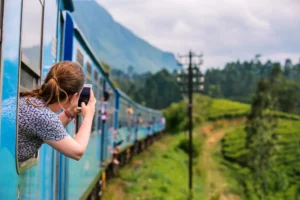
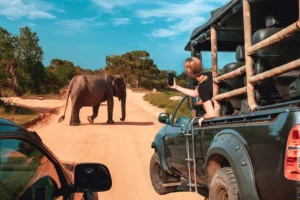
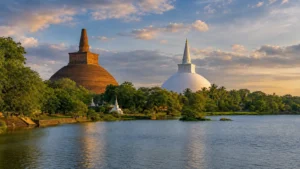
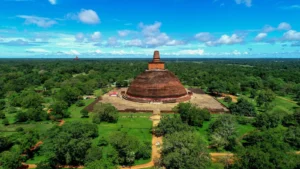
Sri Lanka is one of the best places in the world to see wild elephants, leopards, and whales in their natural habitat. But not every safari experience is created equal. This guide covers what makes a wildlife encounter genuinely ethical, which national parks to prioritise, and how travellers can enjoy an unforgettable jungle safari Sri Lanka trip without contributing to animal stress or habitat damage.
Sri Lanka packs an extraordinary amount of biodiversity into a small island. Within a few hours’ drive you can go from spotting leopards in dry-zone scrub to watching blue whales off the southern coast. It is little wonder that ethical wildlife tours Sri Lanka has become such a drawing card for nature lovers planning their next trip.
The tricky part is that not all wildlife tourism looks after the animals or the ecosystems it depends on. Overcrowded jeep tracks, vehicles crowding a single leopard sighting, and guides who prioritise a good photo over animal welfare are still common. The good news is that travelling responsibly does not mean missing out. If anything, it usually means a calmer, more rewarding experience.
What Makes a Wildlife Tour “Ethical”?
An ethical wildlife tour puts the animal’s welfare and natural behaviour ahead of the visitor’s convenience. In practice, this comes down to a few consistent principles.
- Maintaining a respectful distance and never forcing an animal to move, react, or pose
- Keeping vehicle numbers around a sighting to a minimum, rather than crowding in
- Choosing guides and operators who understand animal behaviour and park regulations
- Supporting parks and community initiatives that fund conservation directly
- Avoiding any activity that involves touching, feeding, or baiting wild animals
Reputable operators in Sri Lanka increasingly follow these standards, but it is still worth asking questions before you book. A good operator will always be happy to explain how their tours are run.
Why Ethical Tourism Matters in Sri Lanka
Sri Lanka’s national parks are home to some genuinely rare wildlife encounters, including the highest density of leopards found anywhere in the world at Yala National Park, and one of the largest gatherings of Asian elephants at Minneriya and Kaudulla during the dry season. These are fragile ecosystems, and the pressure of tourism, if left unmanaged, can quietly erode the very thing people travel to see.
Vehicle congestion around leopard sightings has become a well documented concern in parks like Yala, and researchers have noted that stressed wildlife can change their movement patterns to avoid high traffic areas. Supporting operators who follow lower-impact practices is one of the simplest ways travellers can help protect these habits for the long term.
Which National Parks Should Be on Your List?
Sri Lanka has more than 20 national parks and protected areas, but a handful stand out for both wildlife density and responsible access options.
| National Park | Known For | Best Time to Visit |
|---|---|---|
| Yala National Park | Highest leopard density in the world | February to July |
| Wilpattu National Park | Leopards and sloth bears, fewer crowds | May to September |
| Minneriya National Park | The Great Elephant Gathering | July to October |
| Udawalawe National Park | Reliable elephant herds year round | Year round |
| Sinharaja Forest Reserve | Endemic birds and rainforest biodiversity | January to April, August |
Wilpattu, in particular, tends to offer a quieter alternative to Yala’s more famous zones, with similar wildlife sightings and considerably less vehicle traffic.
How Can Travellers Choose a Responsible Safari Operator?
Look for operators who limit group sizes, brief guests on wildlife etiquette before entering the park, and employ trackers with genuine ecological knowledge rather than staff focused purely on ticking off sightings. A responsible sri lanka safari operator will also never encourage a driver to leave a marked track or crowd a sighting for a better photo angle.
It also helps to ask how an operator supports the parks and surrounding communities. Many of the better tourism providers contribute to ranger programs, habitat protection, or local employment, which keeps conservation funding flowing well beyond the ticket price of your visit.
What Should You Expect on an Ethical Jungle Safari?
A genuinely ethical jungle safari Sri Lanka experience often feels less rushed than the standard jeep tour. Rather than racing between sightings, a good guide will slow down, explain animal behaviour, and let a scene unfold naturally, even if that means a longer wait.
Early morning and late afternoon safaris tend to offer both better sightings and cooler conditions, which is easier on both wildlife and travellers. Many operators now offer half-day or full-day options depending on how deep into the experience you want to go.
Beyond the Jeep: Other Ways to Experience Sri Lankan Wildlife
While the jeep safari remains the classic way to explore Sri Lanka’s parks, it is far from the only option. Travellers looking for a more immersive excursion Sri Lanka experience have a growing number of alternatives.
- Walking safaris in select buffer zones, guided by experienced trackers
- Boat safaris along wetlands and lagoons, ideal for birdwatching and crocodile sightings
- Whale watching tours off Mirissa and Trincomalea, seasonal but genuinely spectacular
- Community-based eco lodges near parks that reinvest in conservation and local livelihoods
- Birdwatching tours through Sinharaja and other rainforest reserves, home to Sri Lanka’s endemic species
These alternatives often bring you closer to the island’s ecosystems without adding to vehicle congestion inside the parks themselves.
Is Sri Lanka Safe and Suitable for Family Wildlife Trips?
Yes, Sri Lanka is generally very well suited to family wildlife trips, with well-established parks, experienced guides, and a wide range of accommodation near major reserves. Families travelling with children often find that shorter morning safaris paired with a relaxed lodge stay strike the best balance between adventure and comfort.
Choosing private tours of Sri Lanka rather than shared group tours can also make a real difference for families, giving you the flexibility to set your own pace, ask questions freely, and skip sightings that might feel too intense for younger travellers.
Planning Your Trip
Bee Nature Travels has spent years building relationships with responsible guides and small operators across Sri Lanka’s national parks. Whether you are drawn to Yala’s leopards, the elephant gatherings at Minneriya, or a quieter walking safari through the buffer zones, our team can help shape an itinerary around ethical, low-impact experiences.
Browse our full range of Sri Lanka tour packages to see how wildlife encounters can be woven into a broader trip, or explore our guide to Sri Lanka’s destinations to plan your route across the island. If you are after something more specific, our activities page covers everything from whale watching to rainforest birdwatching.
As one long-time Sri Lankan safari guide put it, “The animals were here long before the jeeps, and if we do this properly, they’ll be here long after too.” That is really the heart of ethical wildlife tourism, travelling in a way that leaves the parks better off, not just the photo album.
Frequently Asked Questions
What is the best national park in Sri Lanka for ethical wildlife viewing? Wilpattu National Park is often considered one of the best choices for ethical wildlife viewing, thanks to its lower visitor numbers and spacious terrain compared to busier parks like Yala. It offers similar leopard and sloth bear sightings without the same level of vehicle congestion.
Is it possible to see leopards in Sri Lanka without crowded jeep tracks? Yes, choosing parks such as Wilpattu, or visiting Yala during shoulder season months, gives travellers a much better chance of spotting leopards without dozens of other vehicles at the same sighting.
How many days do you need for a wildlife safari in Sri Lanka? Most travellers get a rewarding experience with three to five days dedicated to wildlife, allowing time to visit two or three parks and account for weather or wildlife movement on any given day.
What is the ethical way to photograph wild animals in Sri Lanka? The ethical approach is to photograph from a respectful distance using zoom lenses, avoid flash photography, and never ask a guide to approach closer than park regulations allow, even if it means a less dramatic shot.
Are private tours better than group safaris for wildlife watching? Private tours generally offer more flexibility around timing, pace, and which parks to prioritise, which can lead to calmer, less rushed wildlife encounters compared to larger group safaris.