The Knuckles Mountain Range, a UNESCO World Heritage forest reserve near Kandy, is one of Sri Lanka’s richest destinations for hiking. With over 35 distinct peaks, cool misty trails, and forest cover found nowhere else on the island, it offers walks for casual day-trippers and multi-day trekkers alike. This guide covers the best routes, what to pack, when to go, and how to plan a safe, rewarding trip into the Knuckles forest, Sri Lanka’s most underrated highland wilderness.
Where Is the Knuckles Mountain Range?
The Knuckles Mountain Range sits roughly 40 kilometres northeast of Kandy, straddling the Kandy and Matale districts in Sri Lanka’s central highlands. Seen from a distance, its jagged summits resemble a clenched fist, which is how the range earned its English name. Locally, it is known as Dumbara Kanduvetiya, meaning ‘misty mountains,’ a fitting description for a landscape that spends much of the year wrapped in cloud.
This isn’t a single peak but a cluster of ridges, valleys, and plateaus covering around 234 square kilometres. In 2010, UNESCO listed the central highlands of Sri Lanka, including the Knuckles, as a World Heritage Site for its exceptional biodiversity. If you’re staying in Kandy, it makes an easy base for day trips or a short overnight excursion into the range.
Why Go Hiking in Knuckles Mountain Range?
Unlike Sri Lanka’s more crowded hiking spots, the Knuckles still feels wonderfully undiscovered. A few reasons travellers keep coming back:
- Cool climate — temperatures often sit between 15°C and 24°C, a welcome break from the coast.
- Dramatic scenery — cloud forests, grasslands, waterfalls, and rock outcrops within a single day’s walk.
- Rich biodiversity — home to species found nowhere else in the world.
- Fewer crowds — trails rarely feel busy, even in peak season.
- Village culture — routes pass through Sinhalese and Wanniyala-Aetto communities still tied to traditional farming.
According to Lonely Planet’s coverage of Sri Lanka’s central highlands, the Knuckles region remains one of the least-visited protected areas in the country relative to its ecological value — a big part of its appeal for travellers who want trails without the crowds.
Best Trails for Hiking in the Knuckles Mountain Range
Trail difficulty varies widely, so it’s worth matching a route to your fitness level and time available. Here’s a quick comparison of the most popular options for a knuckles range hike:
| Trail | Duration | Difficulty | Highlights |
|---|---|---|---|
| Corbet’s Gap to Deer Park | 3–4 hours | Easy–Moderate | Grasslands, cloud forest edge, good for beginners |
| Riverston to Sera Ella | 2–3 hours | Easy | Waterfall, mist-covered valley views, short day trip |
| Meemure to Duwili Ella | Full day | Moderate | Remote village start, forest stream crossings |
| Knuckles Peak Summit | 6–8 hours | Challenging | Highest point in the range, panoramic summit views |
Is the Knuckles Mountain Range in Kandy Suitable for Beginners?
Yes — several routes in the Knuckles Mountain Range, Kandy area are well suited to first-time hikers. Trails such as Corbet’s Gap and Riverston involve gentle gradients, clear paths, and short durations of two to four hours. For anyone new to hiking, these are the best entry points before attempting longer routes like the full summit trek.
Wildlife and Flora of the Knuckles Forest, Sri Lanka
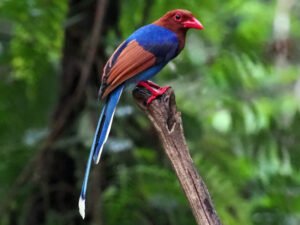
Part of what makes the Knuckles forest Sri Lanka region so significant is its concentration of endemic species. The forest shelters purple-faced langurs, Sri Lankan sambar deer, and over 128 bird species, including several found only in this pocket of the island. Botanists have recorded more than 1,000 plant species here, a notable share of them unique to the Knuckles.
The range also acts as a critical watershed, feeding the Mahaweli River system that much of central Sri Lanka depends on. Walking through it, you’ll pass through at least four distinct climatic zones in a single day — from dry lowland scrub near the base to montane cloud forest higher up, a shift you can genuinely feel in the air.
What Is the Best Time for a Knuckles Range Hike?
The best time for a Knuckles range hike is between January and April, and again from July to September, when trails are drier and visibility is best. The range sits at the crossing point of two monsoon systems, so conditions can change quickly — a light jacket and rain cover are worth packing regardless of season.
Planning Your Trip with Bee Nature Travels
Whether you want a half-day walk from Kandy or a multi-day trek through Meemure village, it helps to go with local guides who know the terrain and the changing weather patterns. Bee Nature Travels arranges guided hikes through the Knuckles as part of our wider Sri Lanka tour packages, and can combine a Knuckles trek with other central highland destinations such as Kandy and the Cultural Triangle.
Basic packing checklist:
- Sturdy hiking boots with good grip for wet, rocky sections
- Light rain jacket, even in the dry season
- Reusable water bottle and snacks — there are few shops along most trails
- Leech socks during the wetter months
- A local guide, especially for the longer routes toward the summit
If hiking is only part of what you’re after, browse our full range of activities across Sri Lanka to build a trip that mixes highland trekking with wildlife safaris, tea country visits, or coastal time.
Frequently Asked Questions
How difficult is hiking in Knuckles Mountain Range for beginners?
Hiking in the Knuckles Mountain Range can be beginner-friendly if you choose the right trail. Routes such as Corbet’s Gap and Riverston are short, well-marked, and manageable for most fitness levels, while the summit trek and Meemure routes require more stamina and are better suited to experienced hikers.
How do I get to the Knuckles Mountain Range from Kandy?
The Knuckles range is about a 1.5 to 2-hour drive from Kandy, depending on which trailhead you’re heading to. Most visitors hire a private vehicle or join a guided tour, since public transport to the more remote entry points, like Meemure, is limited.
Do I need a permit to hike in the Knuckles Conservation Forest?
Yes, a permit from the Forest Department is required to enter the Knuckles Conservation Forest. Most licensed guides and tour operators arrange this as part of the booking, so it’s rarely something visitors need to organise separately.
What wildlife might I see while hiking in the Knuckles?
You may spot purple-faced langurs, sambar deer, and a wide range of endemic birds while hiking in the Knuckles. Early morning walks generally offer the best chances of wildlife sightings, before the heat of the day sets in.
Is it safe to hike the Knuckles Mountain Range without a guide?
It’s not recommended. Trails can be poorly marked, weather changes quickly, and mobile signal is patchy across much of the range. A local guide adds safety and also tends to spot far more wildlife and viewpoints along the way than a self-guided walk would.
Sources: UNESCO — Central Highlands of Sri Lanka; Lonely Planet — Sri Lanka