
Sigiriya gets the crowds, but Sri Lanka’s Cultural Triangle hides quieter, equally moving sacred spaces. Ritigala’s forest monastery, the rock-cut Aukana Buddha, the abandoned citadel of Yapahuwa, the ancient shrines of Tantirimale, and the temple carvings of Nalanda Gedige all offer genuine stillness, real history, and far fewer visitors. This guide walks you through each site, how to reach them, and how to fit them into a well-planned Sri Lanka culture tour.
If you’ve climbed Sigiriya at sunrise shoulder-to-shoulder with a hundred other travellers, you already know the feeling. It’s a magnificent site, no argument there. But it’s also the one place in the Cultural Triangle where you’re least likely to have a moment of quiet. Sri Lanka’s ancient heartland has dozens of sacred spaces that see a fraction of the footfall, and honestly, some of them are more atmospheric for it.
This article is for travellers who want their cultural tours in Sri Lanka to go a little deeper than the postcard stops. We’ll walk through five sites that rarely make it onto a standard itinerary, why they’re worth the detour, and how to weave them into your trip.
Why Look Beyond Sigiriya on a Sri Lanka Culture Tour?
The Cultural Triangle earned its name because it holds most of the island’s UNESCO World Heritage sites within a compact, easily driveable area. Sigiriya, Dambulla, Polonnaruwa, and Anuradhapura form the well-worn route, and rightly so — they’re extraordinary. But the same region is scattered with smaller monasteries, rock temples, and pilgrimage sites that carry just as much history, minus the queues and the souvenir stalls.
A few reasons to add these to your plan:
- Fewer people, more atmosphere. Many of these sites see only a handful of visitors a day, even in peak season.
- Genuine archaeological value. Several date back over 2,000 years and are still being studied.
- A different pace. You can sit, look, and think, rather than shuffle along in a queue.
- Better photography. No crowds in the frame means cleaner shots of ancient stonework.
As one long-time guidebook writer put it while describing this same region, beyond the headline sights, the Cultural Triangle hides a wealth of lesser-known treasures that most visitors simply drive past.
5 Uncrowded Sacred Sites Worth the Detour
Here’s a quick overview before we go into detail on each one.
| Site | Region | Known For | Typical Crowd Level |
|---|---|---|---|
| Ritigala Forest Monastery | Near Habarana | Jungle-clad monastic ruins | Very low |
| Aukana Buddha | Near Kekirawa | 12-metre rock-cut Buddha statue | Low |
| Yapahuwa | Near Maho | Abandoned rock citadel | Low |
| Tantirimale | Near Wilpattu | Ancient stone Buddha statues | Very low |
| Nalanda Gedige | Near Matale | Hindu-Buddhist hybrid temple architecture | Very low |
Ritigala Forest Monastery
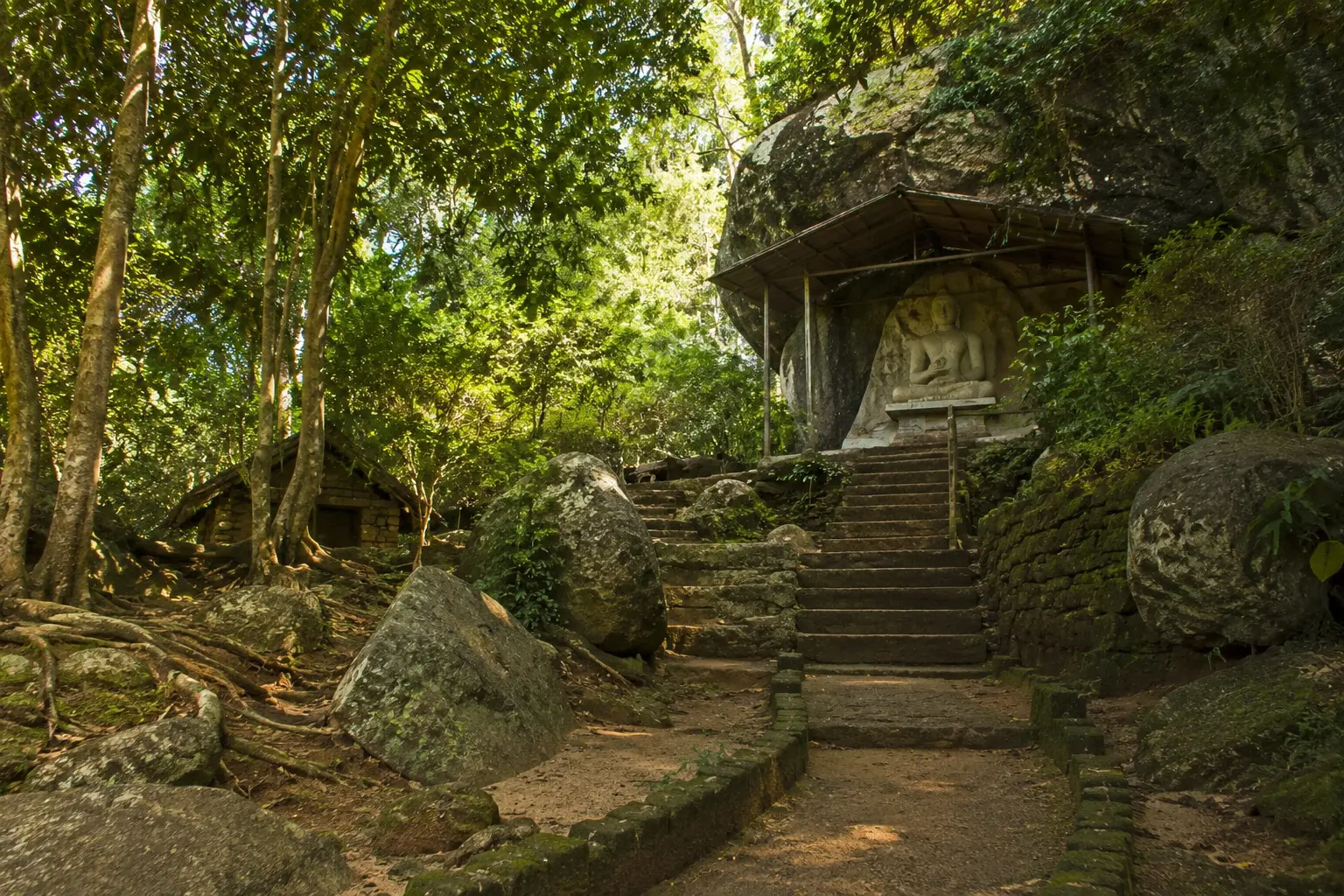
Tucked into a nature reserve of the same name, Ritigala is a forest monastery that dates back to at least the 3rd century BCE, though most of what stands today was built around the 1st century CE. Moss-covered stone paths wind through dense jungle, connecting meditation platforms, stone bridges, and the ruins of hospital buildings once used by monks practising early Ayurvedic medicine. There are no crowds here, no vendors, and often no other visitors at all. Just the sound of birds and the occasional grey langur watching from the canopy.
Aukana Buddha
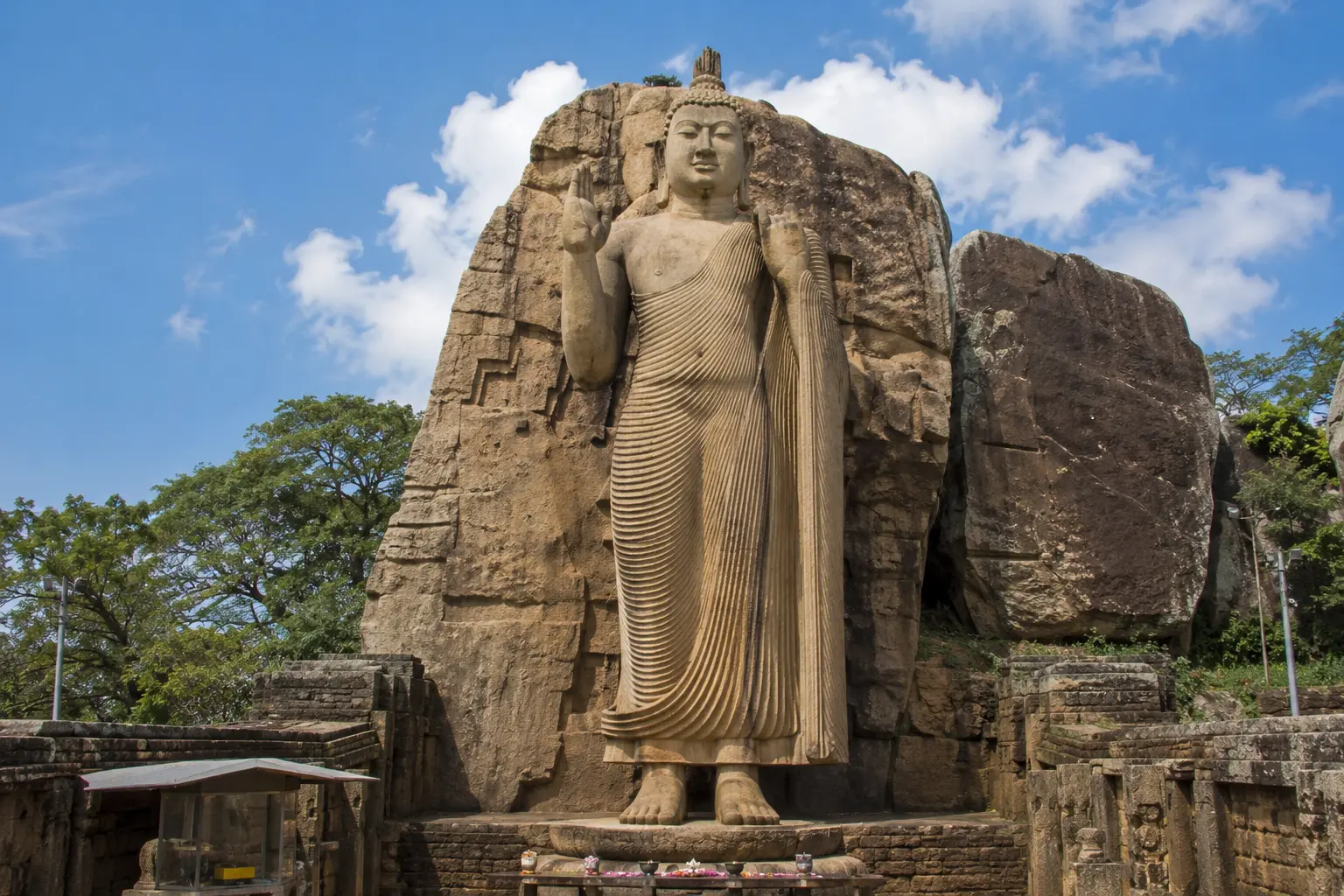
South-west of Anuradhapura, in the quiet village of Aukana, stands one of the finest examples of Sri Lankan Buddhist sculpture: a 12-metre-tall Buddha statue carved from a single granite outcrop, likely completed in the 5th century. Unlike the busier temple complexes, Aukana rarely draws more than a small trickle of visitors, giving you time to properly appreciate the precision of the carving, right down to the folds of the robe.
Yapahuwa
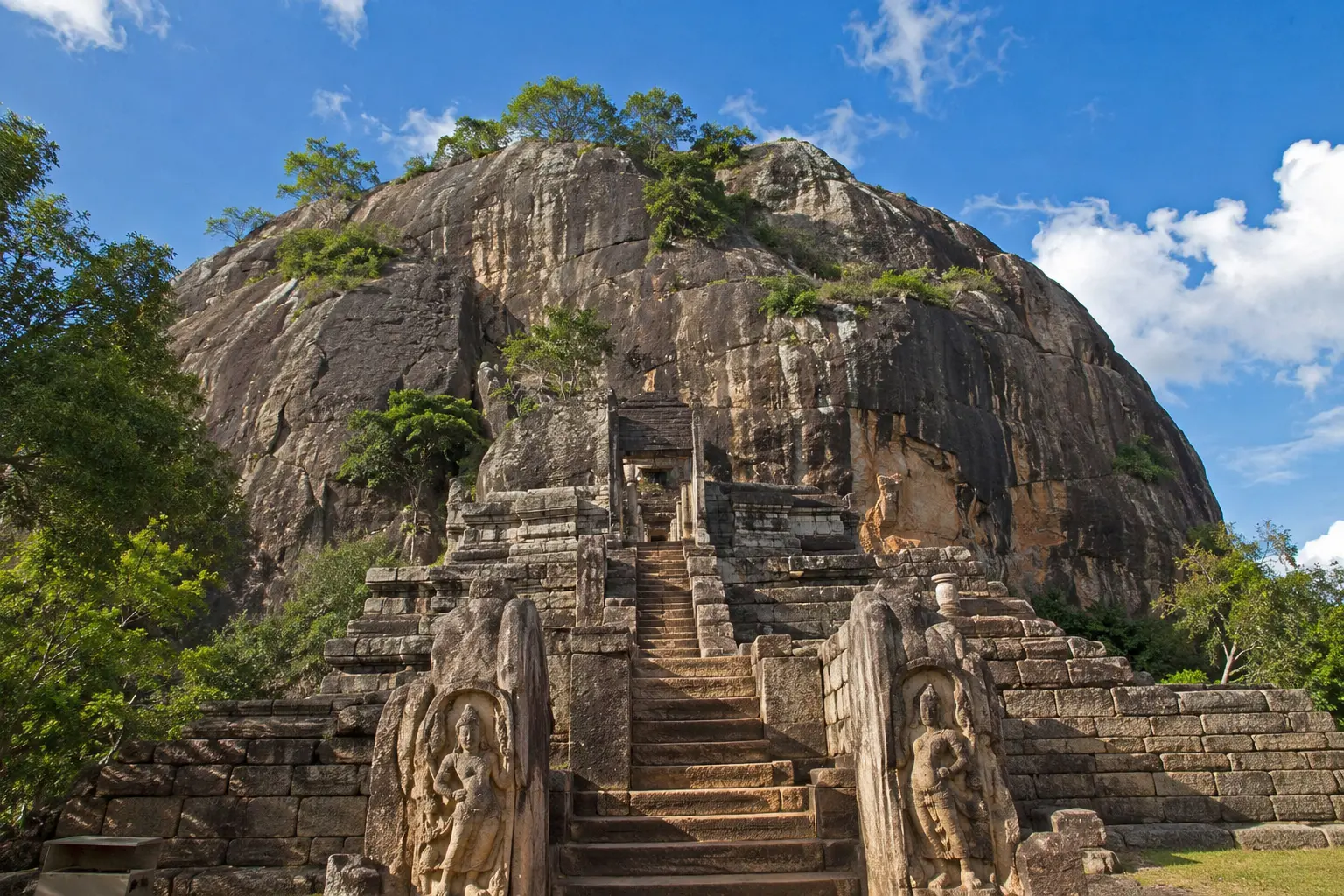
Yapahuwa was briefly Sri Lanka’s capital in the 13th century, built around a steep granite outcrop with more than a passing resemblance to Sigiriya, just on a smaller scale. An ornamental stone staircase, carved with lions and dancers, once led up to a shrine that held the sacred Tooth Relic before it was moved to Kandy. Today, the site is largely abandoned and wonderfully peaceful, with far fewer steps to climb than its more famous cousin.
Tantirimale
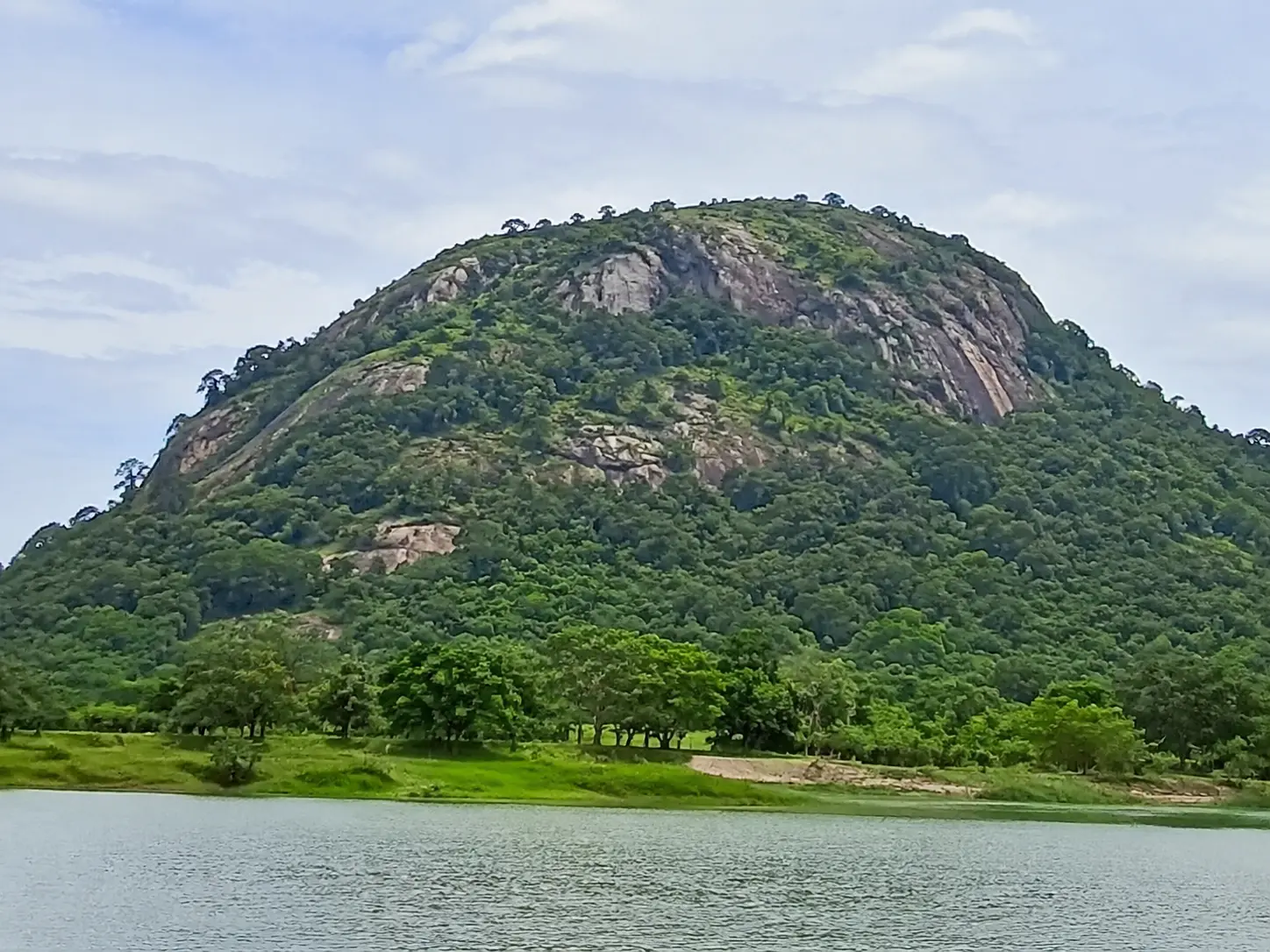
Bordering Wilpattu National Park, Tantirimale is believed to be one of the oldest Buddhist settlements in Sri Lanka, with monastic activity tracing back over 2,000 years. Ancient stone Buddha statues sit beneath old bo trees said to be saplings of the sacred Anuradhapura bo tree. It’s remote, quiet, and rarely visited by anyone outside local pilgrims, which is exactly what makes it worth the drive.
Nalanda Gedige
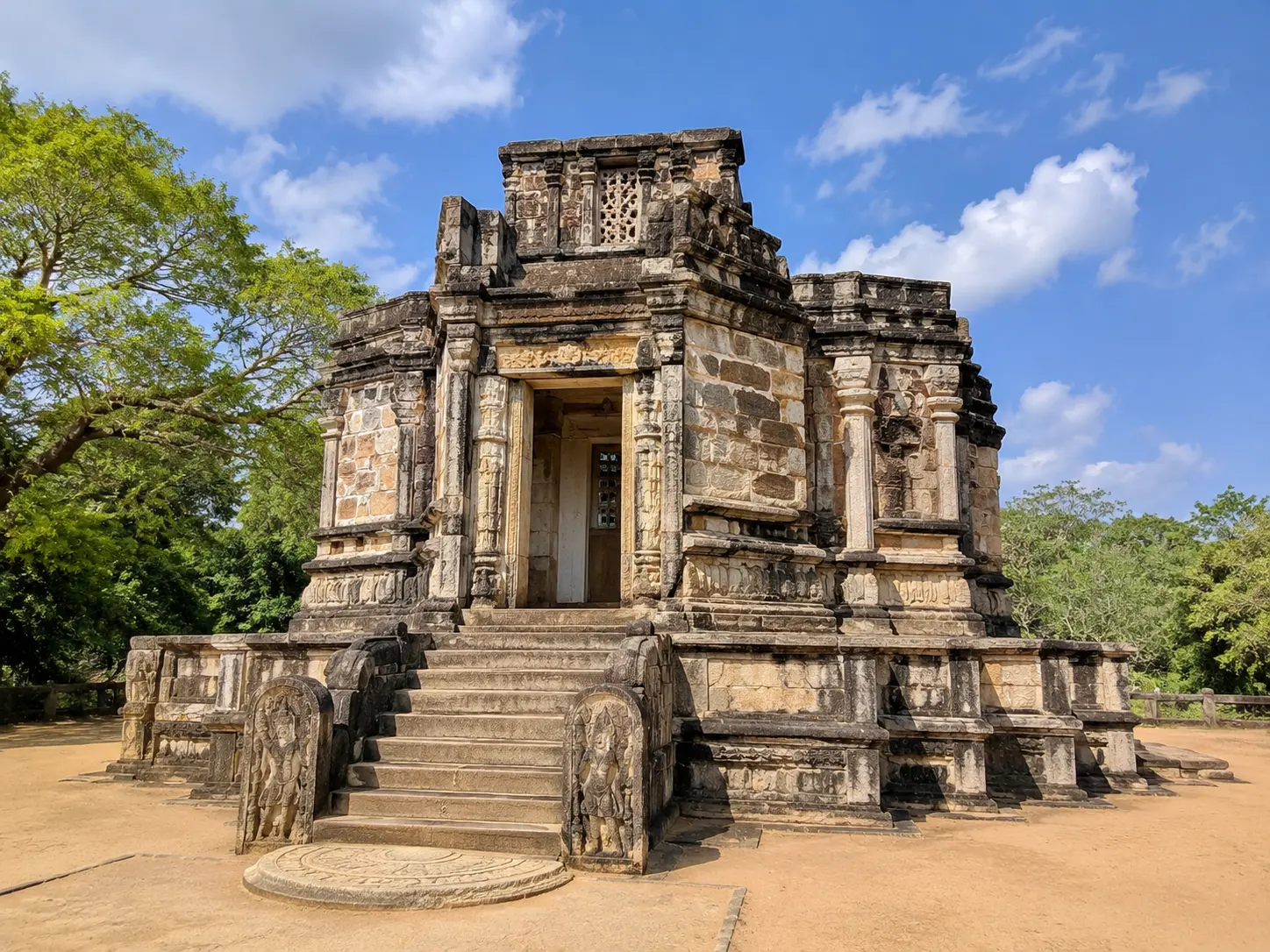
Roughly midway between Kandy and Dambulla, Nalanda Gedige is an architectural oddity: a stone shrine blending Hindu and Buddhist design elements, thought to date from around the 8th to 10th century. Its carvings show South Indian influence rarely seen elsewhere in the Cultural Triangle, and because it sits just off the main highway, most tour buses drive straight past it.
Are Cultural Tours in Sri Lanka Only About the Famous Sites?
No — cultural itineraries in Sri Lanka can be shaped around whatever interests you most, including quieter sacred sites that see far fewer visitors. Most standard itineraries focus on the five UNESCO-listed highlights because they’re easy to plan around and well signposted. But a tour built with some flexibility can easily include forest monasteries, abandoned citadels, or lesser-known temples alongside the classics. At Bee Nature Travels, we regularly build custom routes that mix both, so you get the well-known landmarks and the hidden corners in one trip.
How Do You Fit These Into a Cultural Triangle Tour Sri Lanka Itinerary?
The easiest way is to base yourself in Habarana or Anuradhapura for a few extra nights and use them as a hub for day trips. Ritigala and Tantirimale both sit within reasonable driving distance of Anuradhapura, while Yapahuwa and Aukana can be combined into a single day if you’re travelling between Anuradhapura and Kurunegala. Nalanda Gedige fits naturally into a Kandy-to-Dambulla transfer, since it’s right on the route.
A rough plan might look like this:
- Day 1–2: Anuradhapura, with a half-day detour to Tantirimale
- Day 3: Ritigala Forest Monastery, then on to Habarana
- Day 4: Aukana and Yapahuwa as a combined day trip
- Day 5: Sigiriya and Dambulla, the classics, now with context
- Day 6: Transfer to Kandy via Nalanda Gedige
This kind of pacing works well within our cultural heritage sites itineraries, and it’s also something we build into longer journeys like our 16-day Ceylon Civilisations tour, which threads ancient capitals together with quieter stops along the way.
What Should You Pack for Visiting These Remote Temple Sites?
Comfortable walking shoes, sun protection, and plenty of water, since most of these sites have little shade and limited facilities. A few sites, particularly Ritigala and Yapahuwa, involve uneven stone paths or steps, so sturdy footwear matters more than at the paved courtyards of Sigiriya or Dambulla. A local guide is genuinely useful here too, since these sites have far less signage and their history isn’t always obvious at first glance.
Frequently Asked Questions
Is it worth visiting sites beyond Sigiriya and Dambulla in the Cultural Triangle? Yes, it’s worth it if you enjoy quieter, more reflective travel experiences. Sites like Ritigala and Tantirimale offer genuine historical depth without the queues, and they pair well with the more famous stops rather than replacing them.
How many days do I need for a Sri Lanka cultural trip that includes hidden sites? Plan for at least 6 to 7 days if you want to combine the major landmarks with two or three lesser-known sites. Adding a day or two beyond the typical 3-day Cultural Triangle route gives you enough time without rushing.
Can I visit Ritigala Forest Monastery without a guide? You can enter without a guide, but a local guide helps you understand the ruins, since there’s minimal signage on site. It’s also useful for navigating the jungle paths safely, particularly after rain.
Are these uncrowded sacred sites suitable for families with children? Most are suitable, though a few involve walking on uneven terrain rather than paved paths. Aukana and Nalanda Gedige are relatively easy going, while Ritigala and Yapahuwa require a bit more stamina.
Is Tantirimale accessible from Colombo in a day trip? It’s possible but not ideal, since Tantirimale is roughly a 4 to 5-hour drive from Colombo. It works far better as part of longer tours of Sri Lanka Cultural Triangle itineraries based around Anuradhapura or Wilpattu.
Sigiriya will always be worth climbing once. But if you’ve got a few extra days on your Sri Lanka trip, these five sites offer something the main circuit can’t: a bit of quiet, and the sense that you’re seeing something most travellers miss. If you’d like help mapping a route that includes them, our team at Bee Nature Travels can build an itinerary around your pace, interests, and travel dates — including options like our Sacred Island tour for those focused purely on Sri Lanka’s spiritual heritage.
