
Let’s be honest — Yala National Park is incredible. It has one of the highest leopard densities in the world, the landscapes are dramatic, and the wildlife is genuinely impressive. But if you’ve been scrolling through travel forums lately, you’ve probably noticed the photos: a dozen jeeps parked bumper-to-bumper, all aimed at the same leopard under the same tree.
That’s not the Sri Lanka we want to show you.
At Bee Nature Travels, we believe the most memorable wildlife moments happen away from the crowds — in places where the forest is still, your guide speaks in a low voice, and the animals haven’t grown tired of being watched. Sri Lanka has no shortage of those places. You just have to know where to look.
Here are five wildlife sanctuaries that deserve far more attention than they get.
What Makes a Wildlife Safari in Sri Lanka Truly Special?
Before we get into the parks, it’s worth asking this question — because the answer shapes everything about how you should travel.
A great wildlife safari in Sri Lanka isn’t just about ticking animals off a list. It’s about the whole experience: the quality of your guide, the size of the crowds, the health of the ecosystem, and whether your visit is actually doing some good for the park and the communities around it.
Sri Lanka’s natural environment is one of its greatest assets, but mass tourism, plastic waste, and unregulated development have created real challenges for conservation. That’s why responsible wildlife tourism in Sri Lanka isn’t just a buzzword — it’s a genuine shift in how travellers are choosing to explore the island.
The parks below are selected for exactly these reasons: fewer crowds, healthier ecosystems, and more meaningful wildlife encounters.
1. Gal Oya National Park — The One With Swimming Elephants
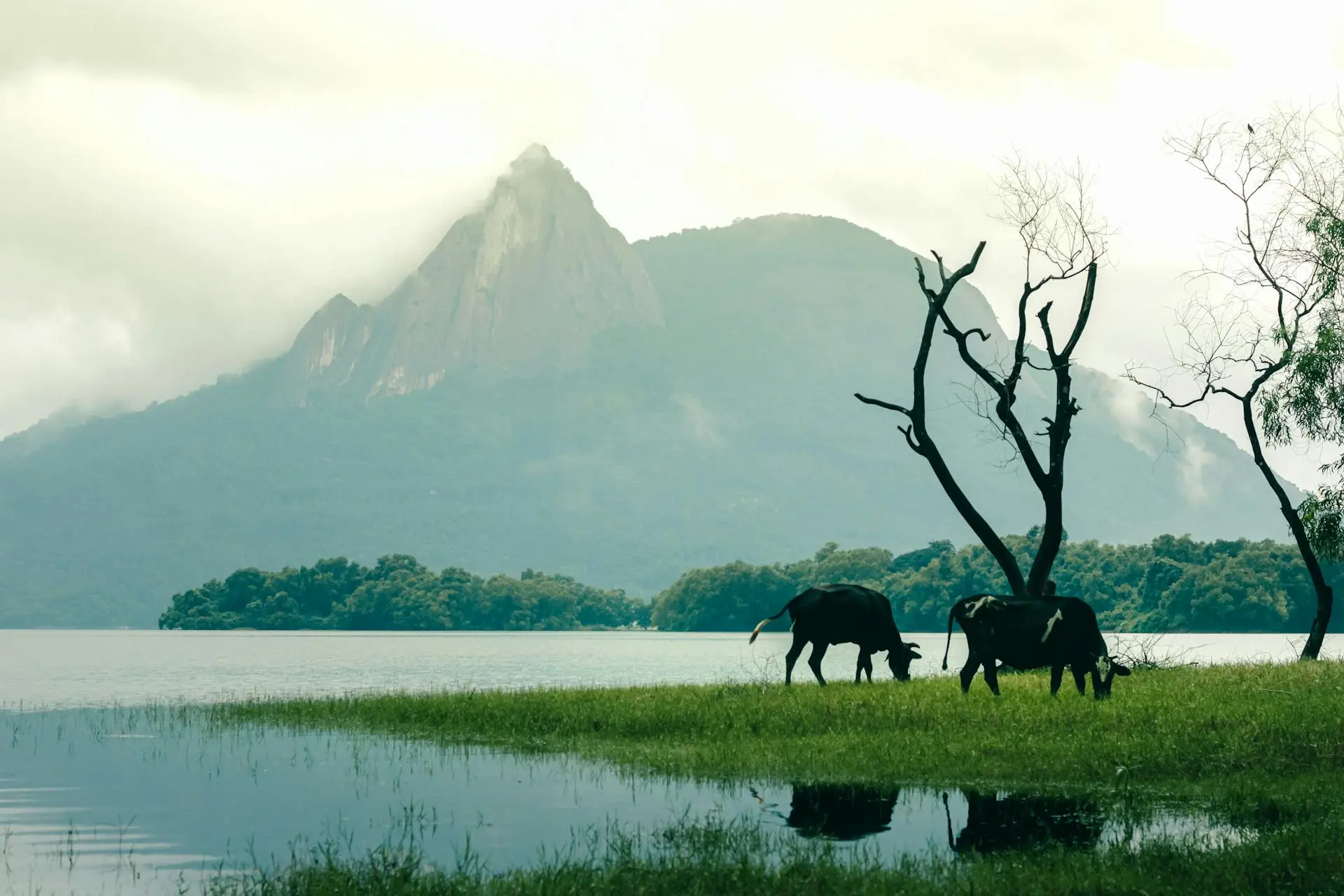
If there’s one experience in Sri Lanka that regularly leaves people speechless, it’s the boat safari at Gal Oya National Park.
Located in the southeast of Sri Lanka, Gal Oya is known for its boat safaris on the Senanayake Samudraya reservoir, where you have a good chance to spot elephants swimming from one island to another — a truly spectacular sight. This part of Sri Lanka is quite off the beaten path, and Gal Oya is one of the country’s least-visited wildernesses.
That last part matters. Gal Oya is the only national park in Sri Lanka where boat safaris are permitted. During the dry season, elephants swim up to a kilometre between islands in the reservoir — an unforgettable sight.
You sit in a small motorboat, engine off, drifting quietly across still water. No jeep noise, no dust, no jostle. Just you, the guide, and a herd of Asian elephants deciding whether to swim to the next island for a patch of fresh grass.
What wildlife can you see at Gal Oya?
- Asian elephants (including swimming herds)
- Sri Lankan leopard (less frequently)
- Mugger crocodiles
- Water buffalo and sambar deer
- Over 150 bird species, including osprey, painted stork, and kingfishers
Quick Facts: Gal Oya National Park
| Detail | Info |
|---|---|
| Location | Ampara District, Eastern Province |
| Best Time to Visit | March – September (dry season) |
| Safari Type | Boat safari + jeep safari |
| Crowd Level | Very low — one of Sri Lanka’s least-visited parks |
| Unique Feature | Only park in Sri Lanka, offering a boat safari |
Tip: Book your boat safari in advance — slots are limited, and it’s the main draw. Early morning (6:30 AM) and late afternoon (3:30 PM) are the best departure times.
2. Wilpattu National Park — Where Leopards Roam Freely
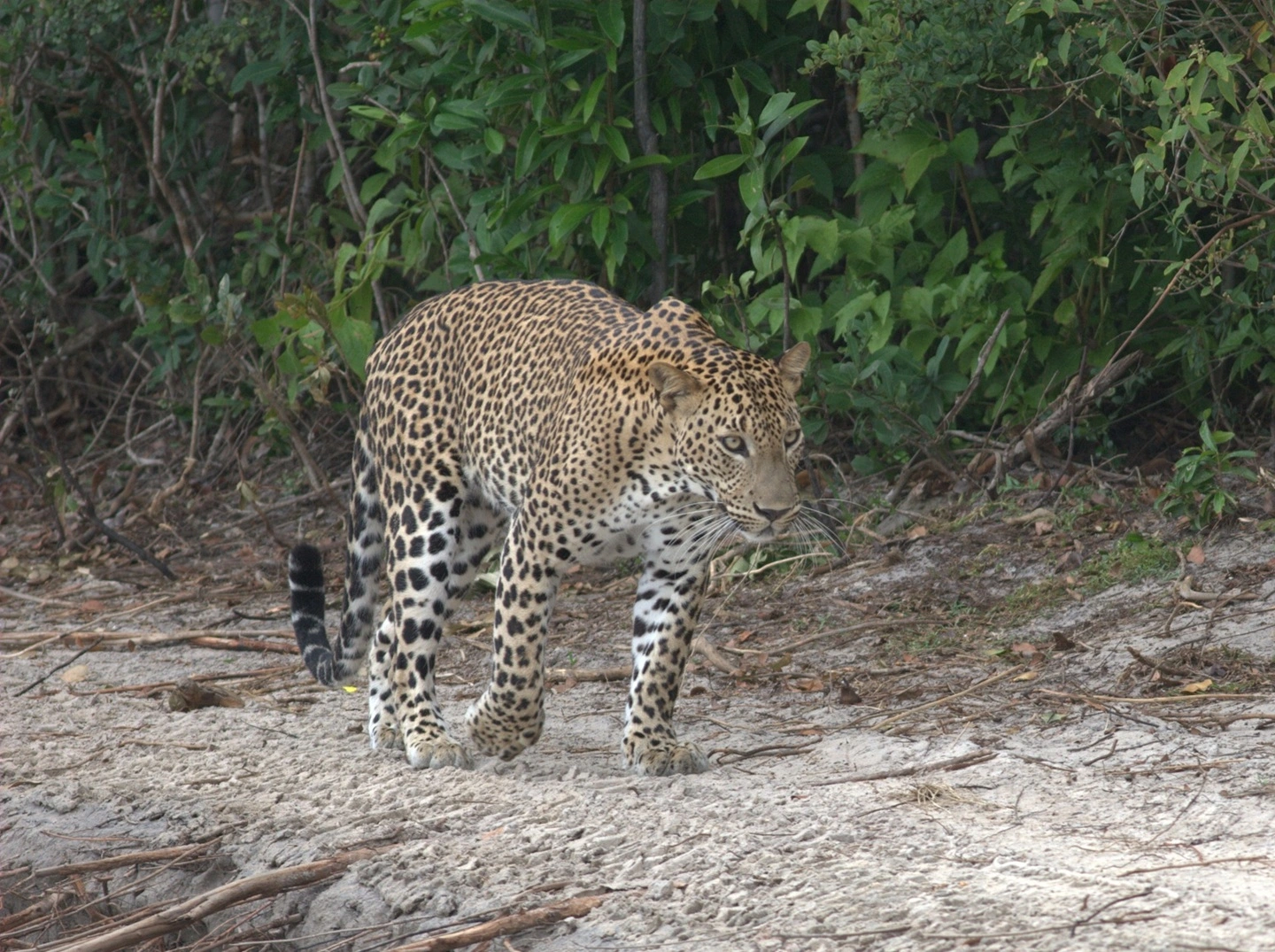
Ask any local naturalist where to do a Wilpattu leopard safari, and you’ll usually get a knowing smile. Wilpattu is Sri Lanka’s largest national park, and it’s been quietly building a reputation as the more rewarding alternative to Yala.
Wilpattu has a lot going for it. It’s one of the least crowded national parks in Sri Lanka, home to the second-highest population of leopards in the country. It’s also the best place in Sri Lanka for spotting sloth bears.
A unique feature of Wilpattu is that the entire park is dotted with large sand-rimmed natural lakes known as “Villus,” which collect rainwater and attract wildlife, especially during dry periods. During the heat of the day, leopards and bears gather near these Villus — and because there are far fewer jeeps than in Yala, you often have the sighting to yourself.
Why Wilpattu over Yala?
| Yala | Wilpattu | |
|---|---|---|
| Leopard density | Very high | High |
| Crowd level | Very high (peak season) | Low to moderate |
| Sloth bear sightings | Possible | Best park in Sri Lanka |
| Landscape | Open scrub and grassland | Dense forest + Villu lakes |
| Safari atmosphere | Can feel rushed | Calm and immersive |
| Best for | Guaranteed sightings | Authentic experience |
The one honest caveat: Wilpattu’s dense forest means you sometimes have to work harder to spot the big cats. But when you do, the experience feels earned — and genuinely wild.
3. Bundala National Park — A Birdwatcher’s Quiet Paradise
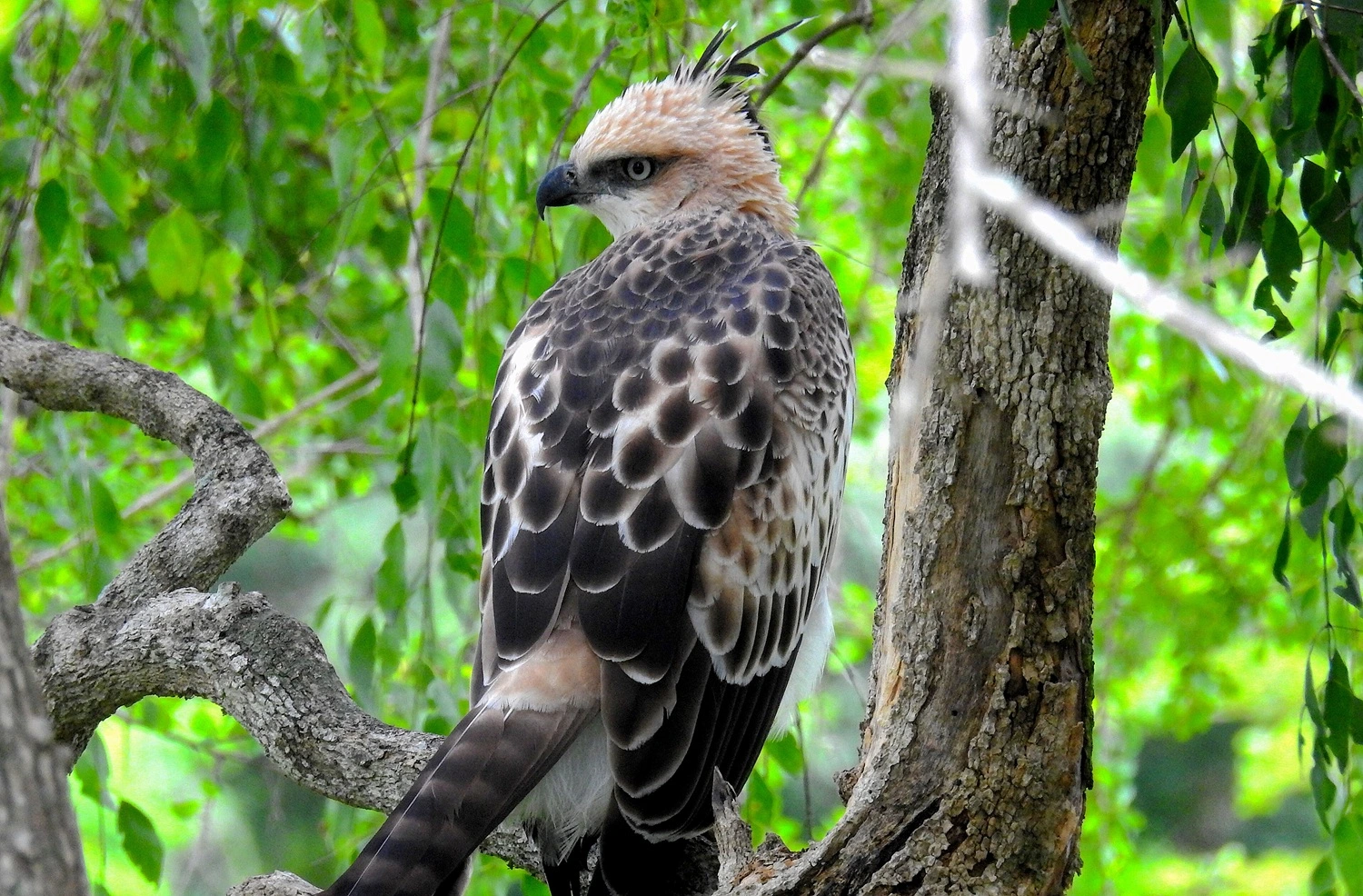
Bundala doesn’t get the attention it deserves, which is precisely what makes it worth visiting.
Bundala bird watching in Sri Lanka has a dedicated following among ornithologists and nature photographers, and it’s easy to see why. The park is a UNESCO Biosphere Reserve on Sri Lanka’s southern coast — a network of lagoons, salt pans, and scrub forest that shelters an extraordinary mix of migratory and resident birds.
Birds you can expect to see at Bundala:
- Greater flamingo (December to March)
- Painted stork and open-billed stork
- Lesser adjutant (endangered)
- Spot-billed pelican
- Eurasian spoonbill
- Indian roller and bee-eaters
During peak migration season, Bundala hosts over 200 bird species. The low, open terrain also makes it excellent for spotting crocodiles and elephant herds moving between the coastal lagoons.
Best time: November to March for migratory species. Year-round for residents.
4. Knuckles Mountain Range — Wild Sri Lanka from a Different Angle
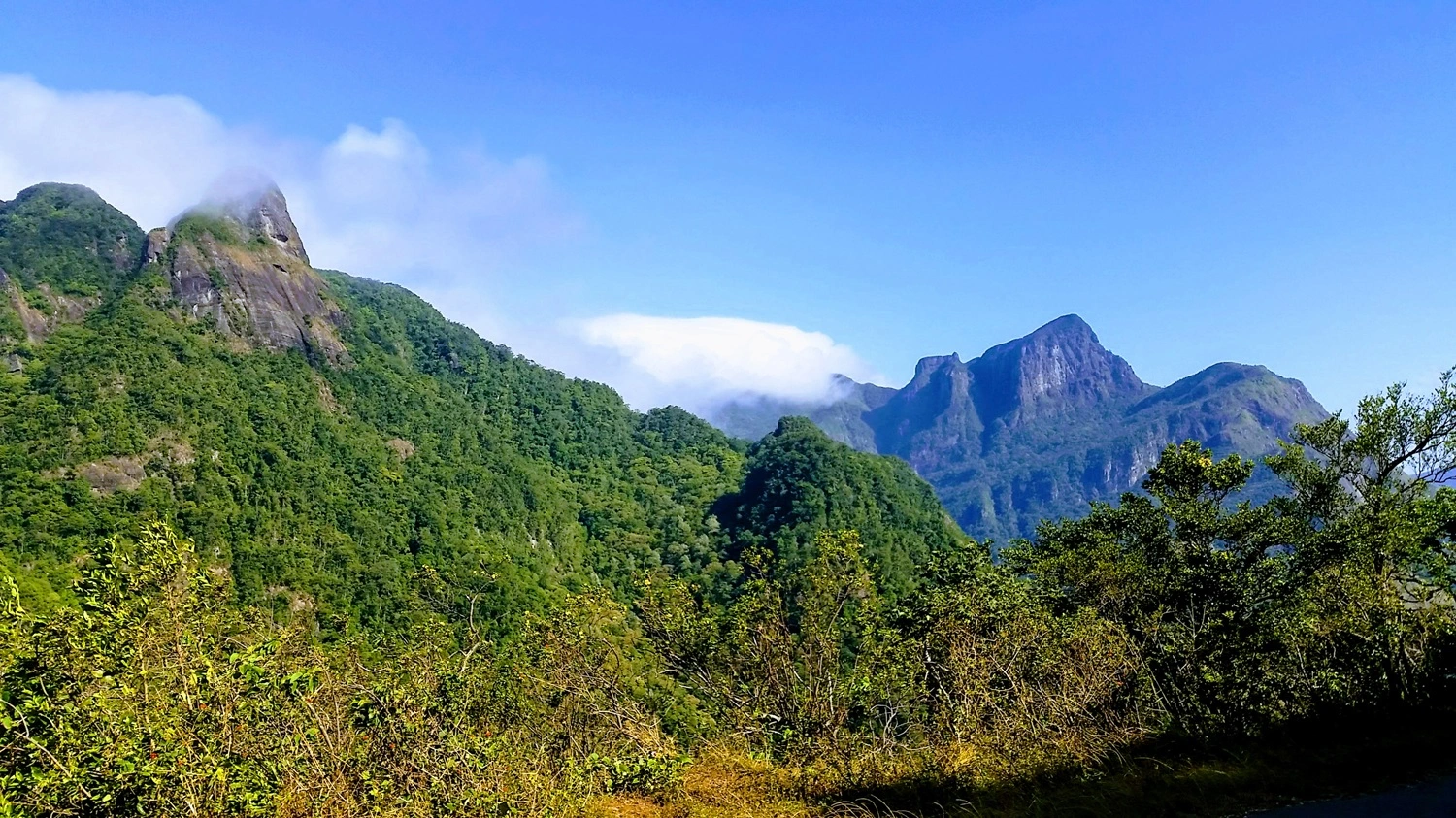
The Knuckles Range is the kind of place that changes how you think about Sri Lanka. Most people associate the island with flat, hot safaris — but here, in the central highlands, you’re in cloud forest territory, trekking through mist at over 1,800 metres above sea level.
What makes Knuckles different from other wildlife spots?
- It’s a UNESCO World Heritage Site
- Home to over 34 endemic bird species, including the Sri Lankan whistling thrush and the dull-blue flycatcher
- Purple-faced langur monkeys move through the canopy above you
- Night walks reveal lorises, civets, and endemic amphibians
This is off the beaten path in Sri Lanka in the truest sense — fewer than 5% of visitors to the country ever venture into the Knuckles Range. For those who do, it often ends up being the highlight of their trip.
5. Wasgamuwa National Park — The Forgotten Elephant Country
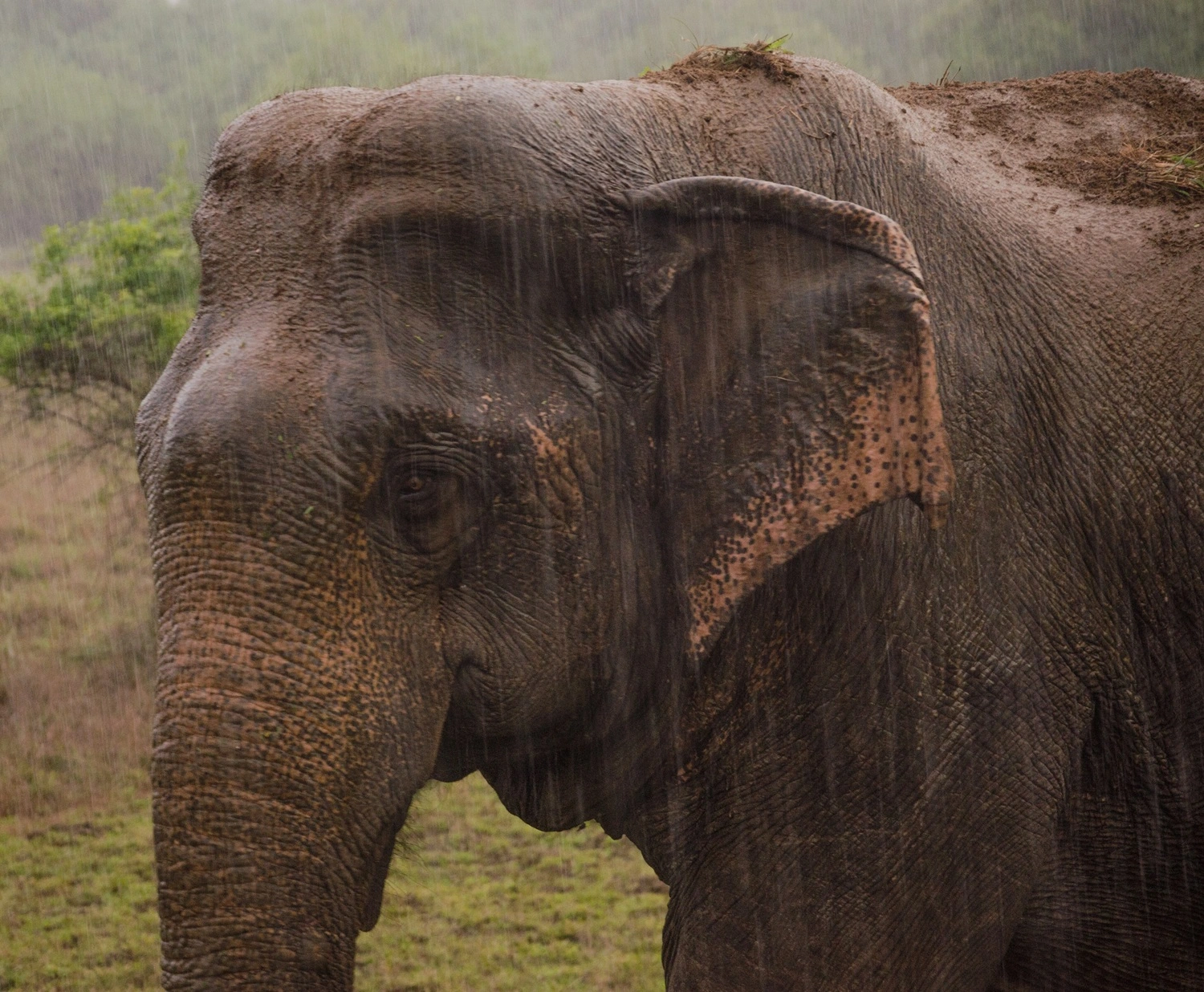
Wasgamuwa sits in the dry zone of central Sri Lanka, hemmed in by two rivers and largely ignored by the tourist circuit. And yet it’s home to one of the largest elephant populations in the country — some estimates put it at over 150 resident elephants.
Because there are very few operators running tours here, the park still has a raw, unhurried quality that’s hard to find in more popular destinations. You’re unlikely to share your sighting with more than one or two other jeeps.
Wildlife to expect:
- Large herds of Sri Lankan elephants
- Wild buffalo and sambar deer
- Mugger crocodile
- Cormorants, herons, and painted storks along the Mahaweli River
Is an Eco Safari in Sri Lanka Worth It?
The short answer is yes — and here’s why it matters beyond just your own experience.
Travellers are no longer content with simply minimising their impact. They now seek to leave places better than they found them. Community-run homestays and eco-lodges in areas like Gal Oya are offering immersive experiences, where guests participate in conservation activities like tree planting and water conservation that directly support local communities.
When you choose an eco safari in Sri Lanka, you’re opting into a model where:
- Local guides and drivers earn fair wages from your visit
- Park fees go toward wildlife conservation
- Accommodation choices support small, sustainable operators
- Wildlife is observed ethically — no feeding, no disturbing, no staged encounters
At Bee Nature Travels, this is baked into how we operate. We work with local naturalists who grew up around these parks, and our nature and wildlife tours are designed to put you in the right place at the right time — without compromising the experience for the animals or for future visitors.
Which Park Is Right for You?
Not sure where to start? Here’s a quick guide:
| If you want… | Go to… |
|---|---|
| A completely unique experience | Gal Oya (boat safari) |
| Leopard sightings without the crowds | Wilpattu National Park |
| Serious bird watching | Bundala |
| Highland trekking + endemic wildlife | Knuckles Range |
| Elephants in a quiet setting | Wasgamuwa |
If you’d like to combine two or more of these parks into a single itinerary, our Wild Sri Lanka Explorer tour is a great place to start. It’s designed specifically for travellers who want more than just Yala — a multi-park journey through the island’s most rewarding wildlife destinations.
How Do I Plan a Responsible Wildlife Trip to These Parks?
Q: Do I need a guide for all these parks?
Yes — and it genuinely makes a difference. All Sri Lankan national parks require you to enter with a licensed driver, and having a skilled naturalist alongside means you’ll see and understand far more than you would on your own. A good guide knows the difference between a leopard’s resting spot and a termite mound at a distance, and they know when to cut the engine and let the moment breathe.
Q: What’s the best time of year for a wildlife safari in Sri Lanka?
It depends on the park, but broadly speaking:
- December to March: Best for Bundala (migratory birds) and Knuckles (clear skies)
- March to September (dry season): Best for Gal Oya (swimming elephants) and Wilpattu (leopard and sloth bear activity)
- Year-round: Wasgamuwa and Knuckles
Q: Can I visit these parks as day trips, or do I need to stay nearby?
Both options are possible, though staying close to the park — ideally in an eco-lodge or nature camp — gives you access to early morning and late afternoon game drives, which are by far the most productive wildlife viewing times. Explore our nature and wildlife round tours for multi-day itineraries that include accommodation near the parks.
A Note on Responsible Wildlife Tourism in Sri Lanka
We’d be doing you a disservice if we didn’t mention this: not all wildlife experiences in Sri Lanka are equal.
A few things worth knowing before you book:
- Avoid elephant rides. Sri Lanka’s wild elephants are not domesticated animals, and tourism that involves physical contact with elephants rarely meets ethical standards.
- Turtle hatcheries vary widely in quality and intent — some are genuine conservation efforts, others are not. Ask your operator for details before visiting.
- Choose certified drivers and guides. All legitimate safari operators in Sri Lanka are registered with the Sri Lanka Tourism Development Authority (SLTDA).
For a deeper look at how to travel the island well, the Original Travel blog on sustainable tourism in Sri Lanka has some genuinely useful guidance that aligns closely with how we approach our own tours.
Final Thought
Yala will always have its place. But if you’re planning a trip to Sri Lanka and wildlife is genuinely important to you, it’s worth looking beyond the first name that comes up in search.
The parks in this article — Gal Oya, Wilpattu, Bundala, the Knuckles Range, Wasgamuwa — are where Sri Lanka’s wild heart still beats quietly. They’re less polished, sometimes harder to reach, and not always easy to plan without local help. But that’s exactly the point.
Ready to go off the beaten path in Sri Lanka? Get in touch with the team at Bee Nature Travels and let’s plan something properly wild.